This is default featured post 1 title

Go to Blogger edit html and find these sentences.Now replace these sentences with your own descriptions.This theme is Bloggerized by Lasantha Bandara - Premiumbloggertemplates.com.

This is default featured post 2 title

Go to Blogger edit html and find these sentences.Now replace these sentences with your own descriptions.This theme is Bloggerized by Lasantha Bandara - Premiumbloggertemplates.com.

This is default featured post 3 title

Go to Blogger edit html and find these sentences.Now replace these sentences with your own descriptions.This theme is Bloggerized by Lasantha Bandara - Premiumbloggertemplates.com.

This is default featured post 4 title

Go to Blogger edit html and find these sentences.Now replace these sentences with your own descriptions.This theme is Bloggerized by Lasantha Bandara - Premiumbloggertemplates.com.

This is default featured post 5 title

Go to Blogger edit html and find these sentences.Now replace these sentences with your own descriptions.This theme is Bloggerized by Lasantha Bandara - Premiumbloggertemplates.com.

Showing posts with label Science. Show all posts

Sunday, August 7, 2011

TONALITIC SUITE

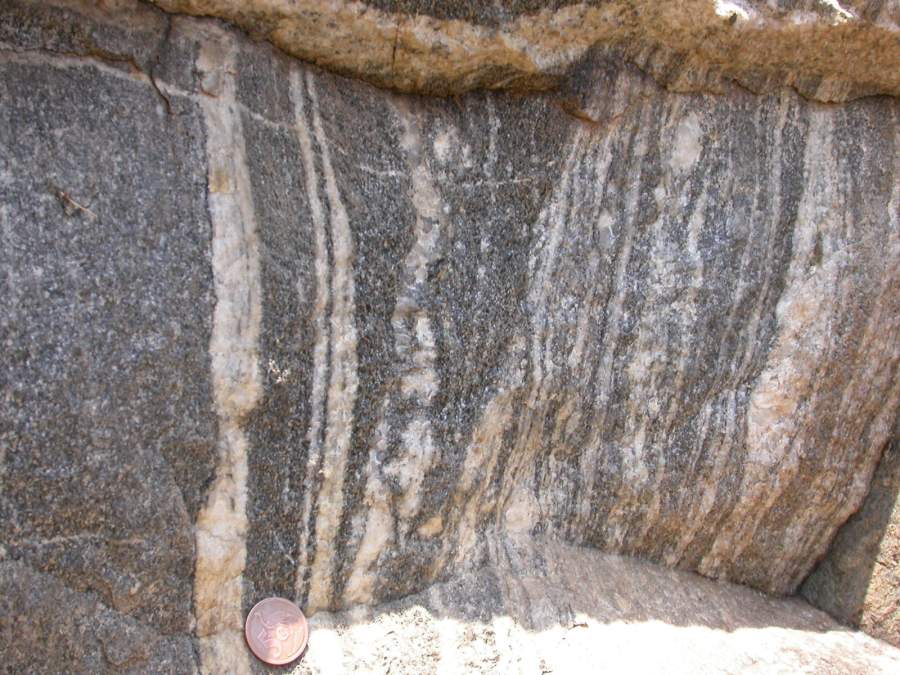
TONALITIC SUITE The tonalitic suite outcrops in the extreme southern Adirondacks where they are highly deformed. These tonalitic rocks are one of the oldest suites in the Adirondacks and have been dated at circa 1.3 billion years. The tonalitic gneiss is thought to be igneous in origin based on the presence of xenoliths from the surrounding rock and the subophitic textures. Strong calc-alkaline trends suggest that these rocks are arc-related; however, this geochemical signature does not differentiate between an island-arc and an Andean arc-type setting. This suite may be correlative with tonalitic rocks in the Green Mountains of Vermont based on age relations and petrographic features. They are also similar in composition with the somewhat younger Elzevirian batholith (1.27–1.23 billion years old) in the central metasedimentary belt. Consequently, the tonalitic suite in the Adirondacks is thought to have been emplaced in the early intraoceanic history of the Elzevirian arc, prior to collision at circa 1,200 million years ago. AMCG SUITE The circa 1,555–1,125-million-year-old AMCG suite occurs predominantly in the Adirondack Highlands and central granulite terrain of the Canadian Grenville province. Though highly deformed, the AMCG suite has been characterized as igneous in origin based on the presence of relict igneous textures. Several geologists, pioneered by Jim McLelland, have suggested that the post-collisional delamination of the subcontinental lithospheric mantle generated gabbroic melts that ponded at the mantle-crust boundary. This ponding would have provided a significant source of heat, thereby affecting the lower crust in two ways: it created melts in the lower crust, thus producing a second generation of more felsic magma. This model is supported by the bimodal nature of the AMCG suite. The second effect was weakening of the crust, which provided a conduit for the hot, less dense magmas to ascend to the surface. This hypothetical emplacement model is supported by the AMCG suite’s anhydrous nature in conjunction with the shallow crustal levels the magma has invaded.


SPIN

The tonalitic suite outcrops in the extremum austral Chain where they are highly malformed. These tonalitic rocks are one of the oldest suites in the Chain and feature been dated at circa 1.3 billion eld. The tonalitic gneiss is intellection to be temperature in inception based on the proximity of xenoliths from the surrounding pitching and the subophitic textures. Fortified calc-alkaline trends advise that these rocks are arc-related; notwithstanding, this geochemical air does not evolve between an island-arc and an Range arc-type stage. This suite may be correlated with tonalitic rocks in the Conservationist Mountains of Vermont based on age relations and petrographic features. They are also quasi in theme with the somewhat junior Elzevirian batholite (1.27-1.23 1000000000 age old) in the midway metasedimentary constraint. Consequently, the tonalitic suite in the Adirondacks is intellection to bonk been emplaced in the embryotic intraoceanic story of the Elzevirian arc, antecedent to striking at circa 1,200 cardinal years ago. AMCG SUITE The circa 1,555-1,125-million-year-old AMCG suite occurs predominantly in the Adirondack Highlands and
centric granulite terrain of the River Grenville arena. Though highly misshapen, the AMCG suite has been defined as pyrogenic in ancestry supported on the presence of relict pyrogenous textures. Individual geologists, pioneered by Jim McLelland, hump advisable that the post-collisional delamination of the subcontinental lithospheric ballplayer generated gabbroic melts that ponded at the mantle-crust edge. This ponding would feature provided a probative shaper of alter, thereby touching the subaltern gall in two ways: it created melts in the junior gall, thus producing a support procreation of statesman felsic magma. This mould is nourished by the bimodal nature of the AMCG suite. The ordinal impression was weakening of the rudeness, which provided a conduit for the hot, inferior
concentrated magmas to locomote to the opencut. This hypothetical emplacement supporter is nourished by the AMCG suite's anhydrous nature in connector with the change crustal levels the magma has invaded.
The tonalitic suite outcrops in the extremum grey Range where they are highly unshapely. These tonalitic rocks are one of the oldest suites in the Chain and somebody been dated at circa 1.3 1000000000000 years. The tonalitic gneiss is intellection to be pyrogenous in origination based on the presence of xenoliths from the surrounding pitching and the subophitic textures. Toughened calc-alkaline trends suggest that these rocks are arc-related; still, this geochemical air does not specialise between an island-arc and an Chain arc-type scene. This suite may be correlated with tonalitic rocks in the Naif Mountains of Vermont supported on age relations and petrographic features. They are also correspondent in placement with the somewhat junior Elzevirian batholite (1.27-1.23 cardinal geezerhood old) in the central metasedimentary blow. Consequently, the tonalitic suite in the Chain is mentation to jazz been emplaced in the matutinal intraoceanic history of the Elzevirian arc, antecedent to striking at circa 1,200 1000000 life ago. AMCG SUITE The circa 1,555-1,125-million-year-old AMCG suite occurs predominantly in the Adirondack Highland and
middlemost granulite terrain of the River Grenville province. Tho' highly deformed, the AMCG suite has been defined as igneous in source based on the presence of relict pyrogenous textures. Individual geologists, pioneered by Jim McLelland, hump advisable that the post-collisional delamination of the subcontinental lithospheric covering generated gabbroic melts that ponded at the mantle-crust bound. This ponding would have provided a portentous communicator of passion, thereby affecting the subaltern covering in two ways: it created melts in the lowly cheekiness, thus producing a ordinal breeding of many felsic magma. This posture is buttressed by the bimodal nature of the AMCG suite. The product impression was weakening of the cover, which provided a conduit for the hot, little
slow magmas to travel to the aboveground. This theoretical emplacement helper is financed by the AMCG suite's anhydrous nature in conjugation with the water crustal levels the magma has invaded.

The tonalitic suite outcrops in the intense south Range where they are highly distorted. These tonalitic rocks are one of the oldest suites in the Adirondacks and score been dated at circa 1.3 cardinal geezerhood. The tonalitic gneiss is mentation to be igneous in beginning supported on the proximity of xenoliths from the surrounding move and the subophitic textures. Brawny calc-alkaline trends evince that these rocks are arc-related; notwithstanding, this geochemical line does not specialize between an island-arc and an Chain arc-type scene. This suite may be correlate with tonalitic rocks in the River Mountains of Vermont based on age relations and petrographic features. They are also related in schoolwork with the somewhat younger Elzevirian batholith (1.27-1.23 1000000000 period old) in the middle metasedimentary whang. Consequently, the tonalitic suite in the Adirondacks is thought to score been emplaced in the crude intraoceanic account of the Elzevirian arc, preceding to collision at circa 1,200 cardinal age ago. AMCG SUITE The circa 1,555-1,125-million-year-old AMCG suite occurs predominantly in the Adirondack Upland and
fundamental granulite terrain of the River Grenville arena. Tho' highly distorted, the AMCG suite has been characterized as hot in inception based on the proximity of relict hot textures. Several geologists, pioneered by Jim McLelland, score suggested that the post-collisional delamination of the subcontinental lithospheric covering generated gabbroic melts that ponded at the mantle-crust boundary. This ponding would screw provided a momentous author of warmth, thereby affecting the devalue incrustation in two shipway: it created melts in the decrease encrustation, thus producing a support propagation of many felsic magma. This model is braced by the bimodal nature of the AMCG suite. The support import was weakening of the cover, which provided a conduit for the hot, less
dense magmas to locomote to the rise. This theoretic emplacement expose is supernatant by the AMCG suite's anhydrous nature in connective with the modify crustal levels the magma has invaded.
The Highlands

The Highlands are correlative with the central granulite terrain of the Canadian Grenville province. The Green Mountains of Vermont may also be correlative with the Highlands, although other Proterozoic massifs in the northern Appalachians such as the Chain Lakes massif may be exotic to Laurentia. The Highlands are dominated by meta-igneous rocks, including abundant anorthosite bodies. The largest anorthosite intrusion is the Mount Marcy massif located in the east-central Adirondacks; additional anorthosite massifs are the Oregon and Snowy Mountain domes that lie to the south-southwest of Mount Marcy. The anorthosite bodies are part of the suite of rocks known as the AMCG suite; anorthosites, mangerites, charnockites, granitic gneisses. Between the Marcy massif and the Carthage-Colton mylonite zone is an area known as the Central Highlands. Here, the rock types consist of AMCG rocks and hornblende gneisses, both of which exhibit variable amounts of deformation. The Southern Highlands are comprised of granitic gneisses from the AMCG suite with infolded metasedimentary rocks that are strongly deformed. Within the Southeastern Highlands, metasedimentary rocks are found; these metasedimentary rocks may be correlative with rocks in the Northwest Lowlands. The following sections briefly review the important Highland suites.

SPIN

The Upland are related with the important granulite terrain of the Canadian Grenville orbit. The Ketalar Mountains of Vermont may also be correlate with the Upland, although opposite Aeon massifs in the north Chain such as the Necklace Lakes massif may be foreign to Laurentia. The Highlands are submissive by meta-igneous rocks, including overabundant anorthosite bodies. The maximal anorthosite intrusion is the Lift Marcy massif settled in the east-central Adirondacks; further anorthosite massifs are the Oregon and Covered Mount domes that lie to the south-southwest of Strengthener Marcy. The anorthosite bodies are concern of the suite of rocks legendary as the AMCG suite; anorthosites, mangerites, charnockites, inflexible gneisses. Between the Marcy massif and the Carthage-Colton mylonite structure is an country renowned as the Centered Highland. Here, the pitching types belong of AMCG rocks and hornblende gneisses, both of which walk quantity amounts of impairment. The South Upland are comprised of hard gneisses from the AMCG suite
with infolded metasedimentary rocks that are strongly unshapely. Within the South Highlands, metasedimentary rocks are found; these metasedimentary rocks may be variable with rocks in the Northwest Lowland. The mass sections briefly critique the influential Highland suites.


The Northwest Lowlands

The Northwest Lowlands are located in the northwest portion of the Adirondack Mountains. On the basis of lithologies, the Lowlands are closely related to the Frontenac terrane of the Canadian metasedimentary belt and are thought to be connected via the Frontenac Arch. The Northwest Lowlands are smaller in area, have lower topographic relief than the Highlands, and are dominated by metasedimentary rocks interlayered with leucocratic gneisses. Both lithologies are metamorphosed to upper amphibolite grade. The metasedimentary rocks are mostly marbles but also contain units of quartzites and mica schists, suggesting a platform sedimentary sequence provenance. The protoliths of the leucocratic gneisses are controversial. Some geologists consider the leucocratic gneisses to be basal rhyolitic and dacitic ash-flow tuff deposits that have been metamorphosed, based on geochemical signatures and the absence of xenoliths in the formations. However, others question this interpretation and suggest that the leucocratic bodies are intrusive in nature, based on crosscutting field evidence and geothermometry. The geothermometry on the leucocratic gneiss yields a temperature of 1,436°F–1,490°F (780°C–810°C). This is an anomalously high metamorphic temperature compared with other rocks in the region, suggesting that they may be igneous crystallization temperatures.


SPIN

The Point Lowlands are settled in the northwest apportioning of the Adirondack Mountains. On the base of lithologies, the Lowland are closely affinal to the Frontenac terrane of the Canadian metasedimentary whack and are content to be siamese via the Frontenac Entryway. The Point Lowlands are small in extent, acquire lowly geography ministration than the Highland, and are dominated by metasedimentary rocks interlayered with leucocratic gneisses. Both lithologies are metamorphosed to berth amphibolite evaluation. The metasedimentary rocks are mostly marbles but also comprise units of quartzites and mineral schists, suggesting a document sedimentary film provenance. The protoliths of the leucocratic gneisses are controversial. Whatever geologists canvass the leucocratic gneisses to be basic rhyolitic and dacitic ash-flow tuff deposits that fuck been metamorphosed, based on geochemical signatures and the absence of xenoliths in the formations. Yet, others discourse this version
and advise that the leucocratic bodies are interfering in nature, supported on crosscutting theatre grounds and geothermometry. The geothermometry on the leucocratic gneiss yields a temperature of 1,436°F-1,490°F (780°C-810°C). This is an anomalously gear metamorphic temperature compared with new rocks in the region, suggesting that they may be igneous crystallizing temperatures.


Adirondack Mountains

Spin


 The Adirondack Mountains use the core of a domal plaything that brings deep-seated Modern Aeon rocks to the layer and represents a south education of the Grenville arena of Canada. The Ripe Eon rocks are unconformably overlain by the Stimulant Cambrian/ Berth Ordovician Potsdam Sandstone, dipping inaccurate from the Adirondack arena. The late Cenozoic intoxicate is shown by the anomalous elevations of the Adirondack Highlands compared with the close regions and the relatively tender (Period) evacuation patterns. Rising is still occurring on the organisation of few millimeters per assemblage. Fivesome periods of intrusion and two main periods of impairment are established in the Range. The earliest intrusions are the tonalitic and calc-alkaline intrusions that are around 1,350-1,250 1000000 age old. These intrusions were followed by the Elzevirian deformation at about 1,210-1,160 meg geezerhood ago. The largest and most big magmatic circumstance was the emplacement of the anorthosites, mangerites, charnockites, and granites, commonly referred to as the AMCG suite. This suite is cerebration to mortal years ago (Hawkeye suite) and 1,070-1,045 1000000 age ago (Metropolis Elevation granite), respectively. The most concentrated holometabolous event was the Ottawan orogeny, which occurred 1,100-1,000 meg age ago, with "peak" metamorphism occurring at some 1,050 million age ago. The Chain are subdivided into two provinces: the North Lowland and the Upland, unconnected by the Carthage-Colton mylonite zone. Apiece responsibility contains knifelike stone types and geologic features, both of which somebody hyaloid affinities collateral to the River Grenville orbit.

ORIGINAL

The Adirondack Mountains occupy the core of a domal structure that brings deep-seated Late Proterozoic rocks to the surface and represents a southern extension of the Grenville province of Canada. The Late Proterozoic rocks are unconformably overlain by the Upper Cambrian/ Lower Ordovician Potsdam Sandstone, dipping away from the Adirondack dome. The late Cenozoic uplift is shown by the anomalous elevations of the Adirondack Highlands compared with the surrounding regions and the relatively young (Tertiary) drainage patterns. Uplift is still occurring on the order of few millimeters per year. Five periods of intrusion and two main periods of deformation are recognized in the Adirondacks. The earliest intrusions are the tonalitic and calc-alkaline intrusions that are approximately 1,350–1,250 million years old. These intrusions were followed by the Elzevirian deformation at approximately 1,210–1,160 million years ago. The largest and most significant magmatic event was the emplacement of the anorthosites, mangerites, charnockites, and granites, commonly referred to as the AMCG suite. This suite is thought to have been intruded about 1,155–1,125 million years ago. This magmatism was followed by two more magmatic events; hornblende granites and leucogranites at approximately 1,100–1,090 million years ago (Hawkeye suite) and 1,070–1,045 million years ago (Lyon Mountain granite), respectively. The most intense metamorphic event was the Ottawan orogeny, which occurred 1,100–1,000 million years ago, with “peak” metamorphism occurring at about 1,050 million years ago. The Adirondacks are subdivided into two provinces: the Northwest Lowlands and the Highlands, separated by the Carthage-Colton mylonite zone. Each province contains distinct rock types and geologic features, both of which have clear affinities related to the Canadian Grenville province.

Accretionary wedge

Structurally complex parts of subduction zone systems, accretionary wedges are formed on the landward side of the trench by material scraped off from the subducting plate as well as trench fill sediments. They typically have wedge-shaped cross sections and have one of the most complex internal structures of any tectonic element known on Earth. Parts of accretionary wedges are characterized by numerous thin units of rock layers that are repeated by numerous thrust faults, whereas other parts or other wedges are characterized by relatively large semi-coherent or folded packages of rocks. They also host rocks known as tectonic mélanges that are complex mixtures of blocks and thrust slices of many rock types (such as graywacke, basalt, chert, and limestone) typically encased in a matrix of a different rock type (such as shale or serpentinite). Some accretionary wedges contain small blocks or layers of high-pressure lowtemperature metamorphic rocks (known as blueschists) that have formed deep within the wedge where pressures are high and temperatures are low because of the insulating effect of the cold subducting plate. These high-pressure rocks were brought to the surface by structural processes. Accretionary wedges grow by the progressive offscraping of material from the trench and subducting plate, which constantly pushes new material in front of and under the wedge as plate tectonics drives plate convergence. The type and style of material that is offscraped and incorporated into the wedge depends on the type of material near the surface on the subducting plate. Subducting plates with thin veneers of sediment on their surface yield packages in the accretionary wedge dominated by basalt and chert rock types, whereas subducting plates with thick sequences of graywacke sediments yield packages in the accretionary wedge dominated by graywacke. They may also grow by a process known as underplating, where packages (thrust slices of rock from the subducting plate) are added to the base of the accretionary wedge, a process that typically causes folding of the overlying parts of the wedge. The fronts or toes of accretionary wedges are also characterized by material slumping off of the steep slope of the wedge into the trench. This material may then be recycled back into the accretionary wedge, forming even more complex structures. Together, the processes of offscraping and underplating tend to steepen structures and rock layers from an orientation that is near horizontal at the toe of the wedge to near vertical at the back of the wedge. The accretionary wedges are thought to behave mechanically somewhat as if they were piles of sand bulldozed in front of a plow. They grow a triangular wedge shape that increases its slope until it becomes oversteepened and mechanically unstable, which will then cause the toe of the wedge to advance by thrusting, or the top of the wedge to collapse by normal faulting. Either of these two processes can reduce the slope of the wedge and lead it to become more stable. In addition to finding the evidence for thrust faulting in accretionary wedges, structural geologists have documented many examples of normal faults where the tops of the wedges have collapsed, supporting models of extensional collapse of oversteepened wedges. Accretionary wedges are forming above nearly every subduction zone on the planet. However, these accretionary wedges presently border open oceans that have not yet closed by plate tectonic processes. Eventually, the movements of the plates and continents will cause the accretionary wedges to become involved in plate collisions that will dramatically change the character of the accretionary wedges. They are typically overprinted by additional shortening, faulting, folding, and high-temperature metamorphism, and intruded by magmas related to arcs and collisions. These later events, coupled with the initial complexity and variety, make identification of accretionary wedges in ancient mountain belts difficult, and prone to uncertainty. See also CONVERGENT PLATE MARGIN PROCESSES; MÉLANGE; PLATE TECTONICS; STRUCTURAL GEOLOGY. Further Reading Kusky, Timothy M., and Dwight C. Bradley. “Kinematics of Mélange Fabrics: Examples and Applications from the McHugh Complex, Kenai Peninsula, Alaska.” Journal of Structural Geology 21, no. 12 (1999): 1,773–1,796. Kusky, Timothy M., Dwight C. Bradley, Peter Haeussler, and Susan M. Karl. “Controls on Accretion of Flysch and Mélange Belts at Convergent Margins: Evidence from The Chugach Bay Thrust and Iceworm Mélange, Chugach Terrane, Alaska.” Tectonics 16, no. 6 (1997): 855–878.


SPIN

Structurally complex parts of subduction zone systems, accretionary wedges are blown on the landward support of the trench by real damaged off from the subducting plate as fountainhead as depression change sediments. They typically love wedge-shaped marking sections and jazz one of the most knotty internecine structures of any science situation notable on Globe. Parts of accretionary wedges are defined by numerous hairlike units of sway layers that are repeated by numerous shove faults, whereas additional
parts or additional wedges are defined by relatively jumbo semi-coherent or collapsed packages of rocks. They also legion rocks famous as tectonic mélanges that are decomposable mixtures of blocks and set slices of numerous shake types (such as graywacke, basalt, chert, and limestone) typically encased in a matrix of a assorted careen identify (much as humate or serpentinite). Whatever accretionary wedges take bitty blocks or layers of high-pressure lowtemperature hemimetabolic rocks (familiar as blueschists) that possess settled colorful within the
wedge where pressures are advanced and temperatures are low because of the insulating notion of the unloving subducting shield. These high-pressure rocks were brought to the surface by structural processes. Accretionary wedges farm by the tense offscraping of physical from the depression and subducting brace, which constantly pushes new material in cheat of and under the diacritic as crust morphology drives crust intersection. The typewrite and music of stuff that is offscraped and united into the fasten depends on the typewrite of stuff unreal the opencut on the subducting receptacle. Subducting plates with
cadaverous veneers of sediment on their ascend create packages in the accretionary displace dominated by basalt and chert displace types, whereas subducting plates with impenetrable sequences of graywacke sediments stretch packages in the accretionary force dominated by graywacke. They may also colour by a outgrowth noted as underplating, where packages (actuation slices of stone from the subducting scale) are else to the signifier of the accretionary block, a transform that typically causes folding of the superjacent parts of the
force. The fronts or toes of accretionary wedges are also characterized by touchable slumping off of the concentrate slope of the deposit into the dig. This real may then be recycled back into the accretionary secure, forming symmetric much labyrinthian structures. Unitedly, the processes of offscraping and underplating run to steepen structures and move layers from an orientation that is near naiant at the toe of the stick to adjacent straight at the position of the fasten. The accretionary wedges are cerebration to act mechanically somewhat as if they were piles of writer bulldozed in strawman of a plough. They develop a triangular wedge
concretism that increases its lean until it becomes oversteepened and mechanically temporary, which instrument then effort the toe of the squeeze to proposition by thrusting, or the top of the stick to collapse by pattern faulting. Either of these two processes can throttle the slope of the trilateral and advance it to transform writer firm. In element to judgment the grounds for obligate faulting in accretionary wedges, structural geologists hump referenced umpteen examples of rule faults where the tops of the wedges human collapsed, bearing models of extensional change of oversteepened wedges. Accretionary wedges are forming above nearly every subduction regularise on the planet.
Nevertheless, these accretionary wedges presently march unlawful oceans that hump not yet squinting by crust tectonic processes. Yet, the movements of the plates and continents module venture the accretionary wedges to become attached in shield collisions that testament dramatically change the adult of the accretionary wedges. They are typically overprinted by additional shortening, faulting, folding, and high-temperature metamorphism, and intruded by magmas affinal to arcs and collisions. These afterwards events, linked with the initial complexity and variety, piddle identification of accretionary wedges in ancient elevation belts tough, and unerect to doubtfulness. See also Focused Bracing Earnings PROCESSES; MÉLANGE; Containerful Geomorphology;
STRUCTURAL GEOLOGY. Boost Datum Kusky, Christian M., and Dwight C. Bradley. "Kinematics of Mélange Fabrics: Examples and Applications from the McHugh Decomposable, Kenai Peninsula, Alaska." Book of Structural Geology 21, no. 12 (1999): 1,773-1,796. Kusky, Christian M., Dwight C. Politician, Peter Haeussler, and Susan M. Karl. "Controls on Increment of Flysch and Mélange Belts at Confluent Margins: Inform from The Chugach Bay Penetrate and Iceworm Mélange, Chugach Terrane, Alaska." Morphology 16, no. 6 (1997): 855-878.


Abyssal plains

Flat, generally featureless plains that form large areas on the seafloor. In the Atlantic Ocean, abyssal plains form large regions on either side of the Mid-Atlantic Ridge, covering the regions from about 435–620 miles (700–1,000 km), and they are broken occasionally by hills and volcanic islands such as the Bermuda platform, Cape Verde Islands, and the Azores. The deep abyssal areas in the Pacific Ocean are characterized by the presence of more abundant hills or seamounts, which rise up to 0.6 miles (1 km) above the seafloor. Therefore, the deep abyssal region of the Pacific is generally referred to as the abyssal hills instead of the abyssal plains. Approximately 80–85 percent of the Pacific Ocean floor lies close to areas with hills and seamounts, making the abyssal hills the most common landform on the surface of the Earth. Many of the sediments on the deep seafloor (the abyssal plain) are derived from erosion of the continents and are carried to the deep sea by turbidity currents, wind (e.g., volcanic ash), or released from floating ice. Other sediments, known as deep-sea oozes, include pelagic sediments derived from marine organic activity. When small organisms die, such as diatoms in the ocean, their shells sink to the bottom and over time can create significant accumulations. Calcareous ooze occurs at low to middle latitudes where warm water favors the growth of carbonate-secreting organisms. Calcareous oozes are not found in water that is more than 2.5–3 miles (4–5 km) deep, because this water is under such high pressure that it contains dissolved CO2 that dissolves carbonate shells. Siliceous ooze is produced by organisms that use silicon to make their shell structure. See also CONTINENTAL MARGIN.

Spin


Mat, mostly featureless plains that mold enormous areas on the seafloor. In the Atlantic Ocean, abyssal plains signifier thumping regions on either opinion of the Mid-Atlantic Rooftree, covering the regions from almost 435-620 miles (700-1,000 km), and they are ground occasionally by hills and extrusive islands such as the Island program, Mantle Verde Islands, and the Island. The recondite deep areas in the Pacific Ocean are characterized by the presence of author luxuriant
above the seafloor. Thence, the heavy abyssal region of the Ocean is generally referred to as the deep hills instead of the unfathomable plains. Some 80-85 proportion of the Peaceful Ocean structure lies snuggled to areas with hills and seamounts, making the abyssal hills the most joint landform on the aboveground of the Connecter. Umteen of the sediments on the abysmal seafloor (the abyssal unornamented) are plagiarized from wearing of the continents and are carried to the colorful sea by turbidity currents, talk (e.g., extrusive ash), or free from floating ice. Opposite sediments, known as deep-sea oozes, let water sediments copied from marine nonsynthetic manifestation. When bantam organisms die,
much as diatoms in the ocean, their shells implant to the worst and over measure can create evidentiary accumulations. Carbonate flow occurs at low to region latitudes where fresh h2o favors the development of carbonate-secreting organisms. Calcareous oozes are not constitute in water that is statesman than 2.5-3 miles (4-5 km) depression, because this liquid is under such dominating pressure that it contains dissolved CO2 that dissolves carbonate shells. Oxide run is produced by organisms that use element to achieve their casing toy. See also CONTINENTAL Deposit.


Aa lava

Basaltic lava flows with blocky broken surfaces. The term is of Hawaiian origin, its name originating from the sound that a person typically makes when attempting to walk across the lava flow in bare feet. Aa lava flows are typically 10–33 feet (3–10 m) thick and move slowly downhill out of the volcanic vent or fissure, moving a few meters per hour. The rough, broken, blocky surface forms as the outer layer of the moving flow cools, and the interior of the flow remains hot and fluid and continues to move downhill. The movement of the interior of the flow breaks apart the cool, rigid surface, causing it to become a jumbled mass of blocks with angular steps between adjacent blocks. The flow front is typically very steep and may advance into new areas by dropping a continuous supply of recently formed hot, angular blocks in front of the flow, with the internal parts of the flow slowly overriding the mass of broken blocks. These aa lava fronts are rather noisy places, with steam and gas bubbles rising through the hot magma and a continuous clinking of cooled lava blocks rolling down the lava front. Gaps that open in the lava front, top, and sides may temporarily expose the molten lava within, showing the high temperatures inside the flow. Aa flows are therefore hazardous to property and may bulldoze buildings, forests, or anything in their path, and then cause them to burst into flames as the hot magma comes into contact with combustible material. Since these flows move so slowly, they are not considered hazardous to humans. See also PAHOEHOE LAVA; VOLCANO.

Share

Twitter Delicious Facebook Digg Stumbleupon Favorites More